


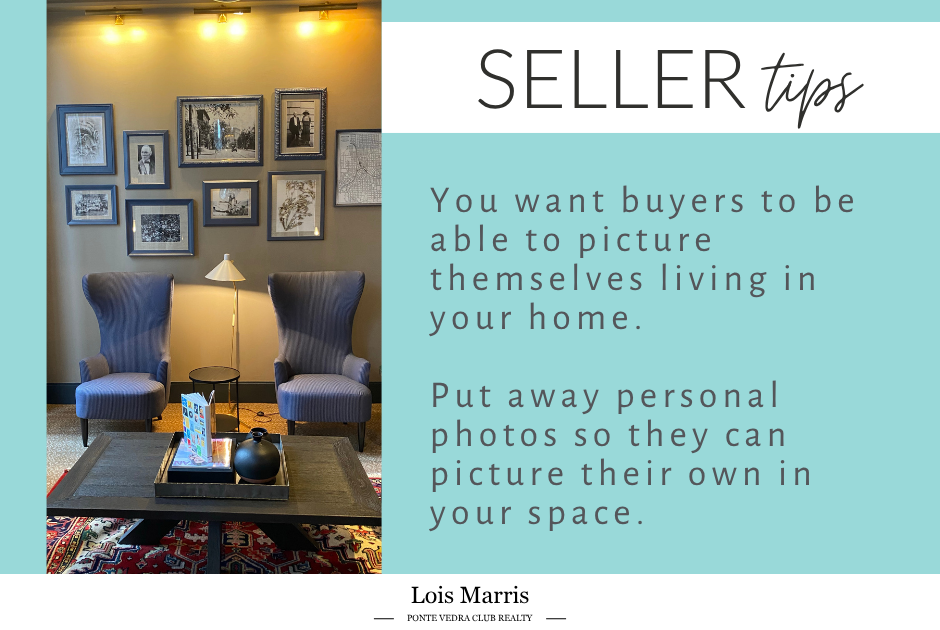
Seller Tip #8 – Depersonalize to Help Buyers See Themselves at Home
If you're preparing your home for sale, there's one surprisingly powerful step that can make a big difference: depersonalizing your space. It might sound a bit emotional at first—but stick with me! As your expert real estate friend (with lots of experience walking buyers through homes), I can tell you this step is one of the most important parts of setting the stage for a successful sale.
Let’s walk through why depersonalizing matters—and how it actually helps you move forward, too.
Why Depersonalizing Helps Sell Your Home
Buyers aren’t just shopping for a house—they’re looking for a place to imagine their future. That means they need to be able to mentally “move in” the moment they walk through the door. But if your walls are lined with family portraits, your shelves are filled with sports trophies, and your fridge is covered in kid art and report cards, it becomes your story—not theirs.
Depersonalizing helps buyers focus on the home itself—the light, the layout, the finishes—and how their own lives might fit there. It clears the emotional space so they can begin to picture their furniture in the living room, their holiday dinners in the dining room, and their kids playing in the backyard.
And that’s what you want, right? A buyer who falls in love with the home and makes a strong offer!
The Seller’s Secret Benefit: A Mental Shift
Here’s the part most people don’t expect: Depersonalizing is good for you, too.
Packing away personal items can help you emotionally detach from the home and start focusing on the future. It’s that first big step toward saying goodbye to one chapter and opening the door to the next.
When you start boxing up photo albums, framed diplomas, collections, and personal mementos, it becomes real—you’re selling this home. You’re getting ready for your next adventure.
What to Depersonalize
You don’t have to erase every bit of personality—but you do want to neutralize the home so it appeals to the widest number of buyers. Here’s what I recommend:
✔ Family photos: Pack them away, especially large portraits or gallery walls. A few tasteful, non-personal art prints are fine.
✔ Personal collections: Whether it’s model cars, beach glass, or Star Wars memorabilia—store them safely out of sight.
✔ Fridge clutter: Take down magnets, calendars, and notes. A clean fridge front feels fresh and organized.
✔ Religious or political items: These are deeply personal and might be meaningful to you—but can unintentionally alienate a buyer.
✔ Bathrooms: Put away prescription bottles, personal care products, and monogrammed towels. Use spa-like accessories instead.
Work with Your Agent for a Winning Plan
A great real estate agent (like me!) will walk through the home with you and help identify what should stay and what should be packed. This isn’t about judgment—it’s about strategy. Every decision is designed to help you reach your ultimate goal: selling your home for the best possible price in the shortest amount of time.
I often tell my sellers: “You’re not decorating anymore—you’re marketing.” And smart marketing starts with helping buyers see themselves at home.
Thinking about selling your home?
Let’s chat! I’d love to help you prepare, price it right, and get the best result possible.
You can also keep an eye on your local real estate market by signing up for monthly updates tailored to your neighborhood. And if you’re curious what your home might be worth today, try my free, instant, no-obligation home value tool.
.png)

👉 Need more tips? Check out the full series: