


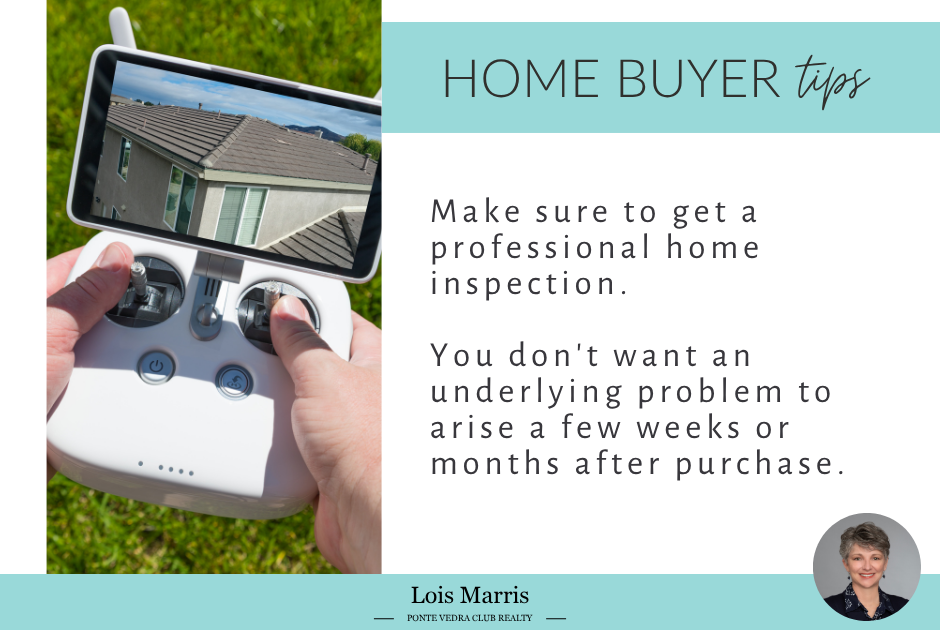
How exciting! You're under contract for your new home -- Congrats!! The next big step in the home buying process is one of the most important steps — the home inspection. I always recommend my buyers get one, with very few exceptions. Even if the home looks perfect, a good inspection can reveal hidden issues that could save you thousands of dollars, or at the very least, give you peace of mind.
Why a Home Inspection Matters
A home inspection is your chance to have a licensed and insured professional take a detailed look at your future home. Think of it like a physical exam for the house — the inspector is checking its overall “health” so you can make informed decisions. And yes, I suggest hiring a licensed and insured inspector (emphasis on both). If you want to go the extra mile, consider add-ons like:
- 4-Point Inspection – Often used for insurance purposes, focuses on roof, plumbing, electrical, and HVAC systems.
- Wind Mitigation – Can sometimes save you money on homeowners insurance in Florida.
- Sewer Scope – Especially important for older homes to check for clogs, cracks, or root intrusion.
Different Contracts, Different Rules
Here in Northeast Florida, there are two common contracts used by the Northeast Florida Association of REALTORS® (NEFAR), but any real estate attorney can draw one up as well. The important part? Understand how your inspection period works and how you can respond.
- AS-IS Contract: You have a set timeframe to do your inspection. If something concerning comes up, you have the right to cancel. A good agent (hi, that’s me!) will often try to keep negotiations going for repairs, but ultimately, the seller can agree to repairs or refuse. You can still walk away if it’s not right for you.
- Repair Limit Contract: This one has a pre-negotiated percentage of the sales price set aside for repairs. After the inspection, you present the seller with a list of repairs. If the cost is above the agreed percentage, there’s a process to work through it. Your commitment, and right to cancel, is tighter here, so knowing the terms is key.
In either case, read your contract carefully, and if you have questions, consult an attorney. After the inspection, you'll either move forward with the contract, negotiate repairs, or possibly cancel the contract.
My Professional Tips
- Don’t panic over the report. Inspectors are very thorough (and that’s a good thing). Every home, even brand-new construction, will have a list of “finds.”
- Focus on the big-ticket and safety items first: Roof, HVAC, bulkheads, water drainage, electrical issues, or anything that could impact your safety or budget.
- Decide if there are any “deal killers.” These are issues that make you walk away. If there aren’t, remember that everything else is negotiable or repairable.
- Be strategic about attending. I recommend letting the inspector do their work without distraction, then meet them toward the end for a walk-through of what they found.
When Buyers Skip Inspections
In my opinion — almost never. But here’s when it sometimes happens:
- Competitive multiple-offer situations where waiving inspection makes the offer stronger.
- Homes priced low due to condition — the buyer knows it’s a fixer-upper.
- New construction (tempting, but I still recommend an inspection).
Just remember — skipping an inspection is a big risk. It’s like buying a car without test-driving it first.
Some of My Most Memorable Home Inspection Finds
- New construction drainage pipe connected… to nothing. Oops.
- Air conditioning duct sliced open to cool workers in the attic — never repaired, so the owner was paying to air condition the attic.
- Raccoons living happily in the attic. Yes, alive. Yes, noisy.
- Clogged gutter downspout causing rainwater to overflow, spray into a roof vent, and leak into the living room ceiling — but only during heavy rain with wind from east to west. (That one took some detective work!)
The takeaway? A home inspection is worth every penny. It gives you knowledge, negotiating power, and peace of mind — and it can even save your dream home from turning into a money pit.
📚 Explore the Full Series: Home Buying Tips
- Begin Saving for Your Down Payment
- Get Your Credit Report
- Get Your W2 and Tax Return Documents in Order
- Get Pre‑Approved
- Make a List of Must‑Haves & “Wish List” Items
- Follow a Budget
- Get a Good Real Estate Agent
- Home Inspections ← You're here
- Negotiations Part 1
- Negotiations Part 2
- Take Notes When Visiting Homes
- CDD Fees Explained
Let’s Work Together
- 💻 Sign up for a free account on my website to stay informed about homes for sale.
- 📊 Sign up for neighborhood market reports and get a monthly snapshot of the market.
- 📞 Schedule your free buyer consultation and let’s find your dream home.