



October in Northeast Florida doesn't exactly mean sweaters, falling leaves and preparing for snow. We're usually still running the air conditioner! But after months of intense heat, humidity and summer thunderstorms, October is a great time to give your home or condo a little attention. The rainy season is winding down, temperatures are becoming more comfortable, and hurricane season isn't quite over.
Here are a few things I put on my own October home-maintenance list, along with some problems I've seen firsthand in homes around Jacksonville and Ponte Vedra Beach.
Your October Florida Home Checklist
- Clean/check AC condensate line
- Replace HVAC filter
- Check window and door caulking
- Look for moisture or musty odors
- Inspect roof and gutters
- Check irrigation settings
- Inspect lanai, screens and drains
- Test smoke and CO detectors
- Clean dryer vent
- Monitor indoor humidity
- Keep hurricane supplies handy
1. Check That AC Condensate Line
If I had to pick one Florida home-maintenance item that homeowners shouldn't overlook, the AC condensate drain line would be near the top of my list. Our air conditioners pull an incredible amount of moisture out of the air. That water has to drain somewhere, and algae and buildup can eventually clog the condensate line.
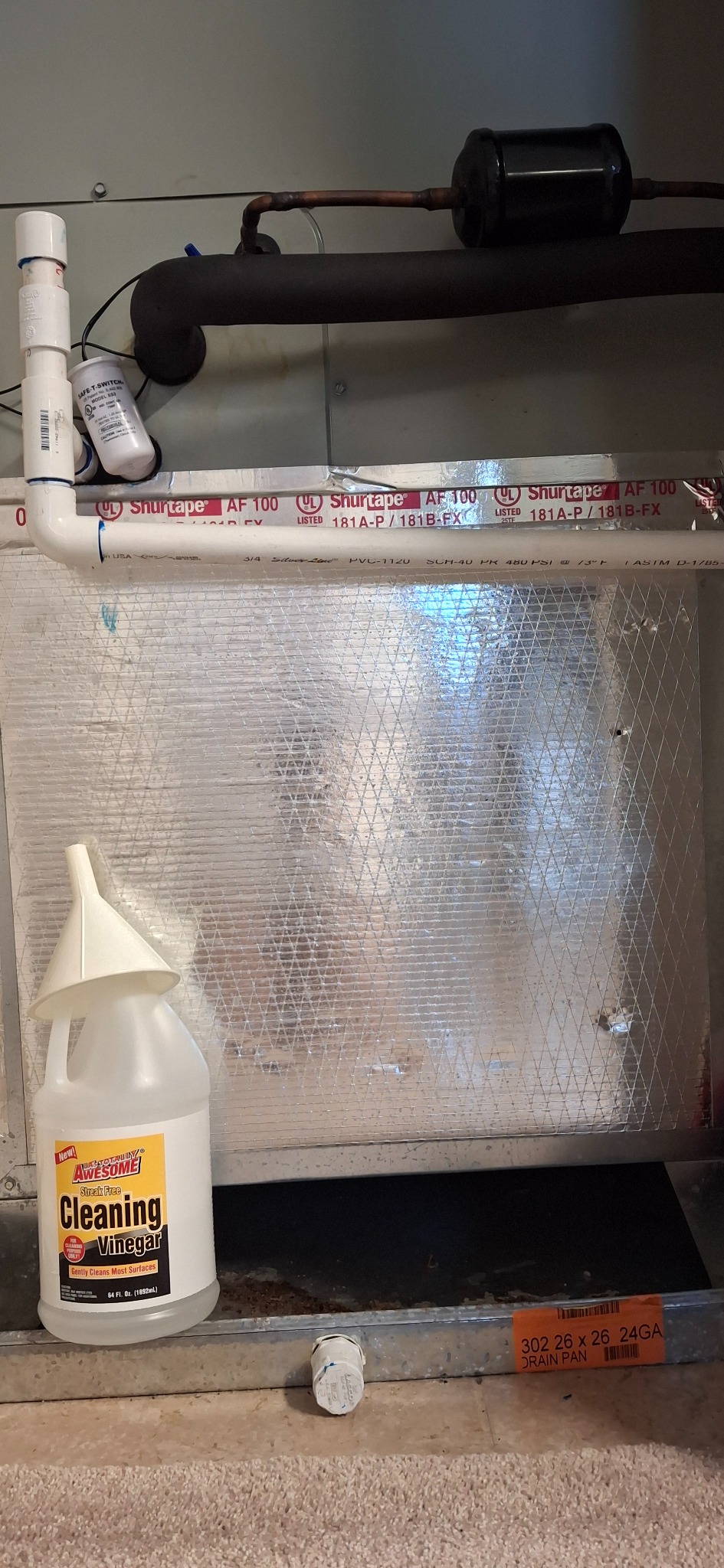
October is a good time to change or clean the HVAC filter, check the condensate drain line, look around the air handler for moisture and make sure the condensate safety switch is working. If you're unsure how your system should be maintained, ask your HVAC technician to show you. HVAC configurations and manufacturer recommendations vary.
I wrote more about AC condensate drain-line maintenance here.
2. Check the Caulking Around Windows and Doors
This is one I notice at my own home. After the intense heat and sun of a Northeast Florida summer, I often find areas around my windows where the caulking needs attention. Heat, humidity and Florida sunshine are tough on sealants.
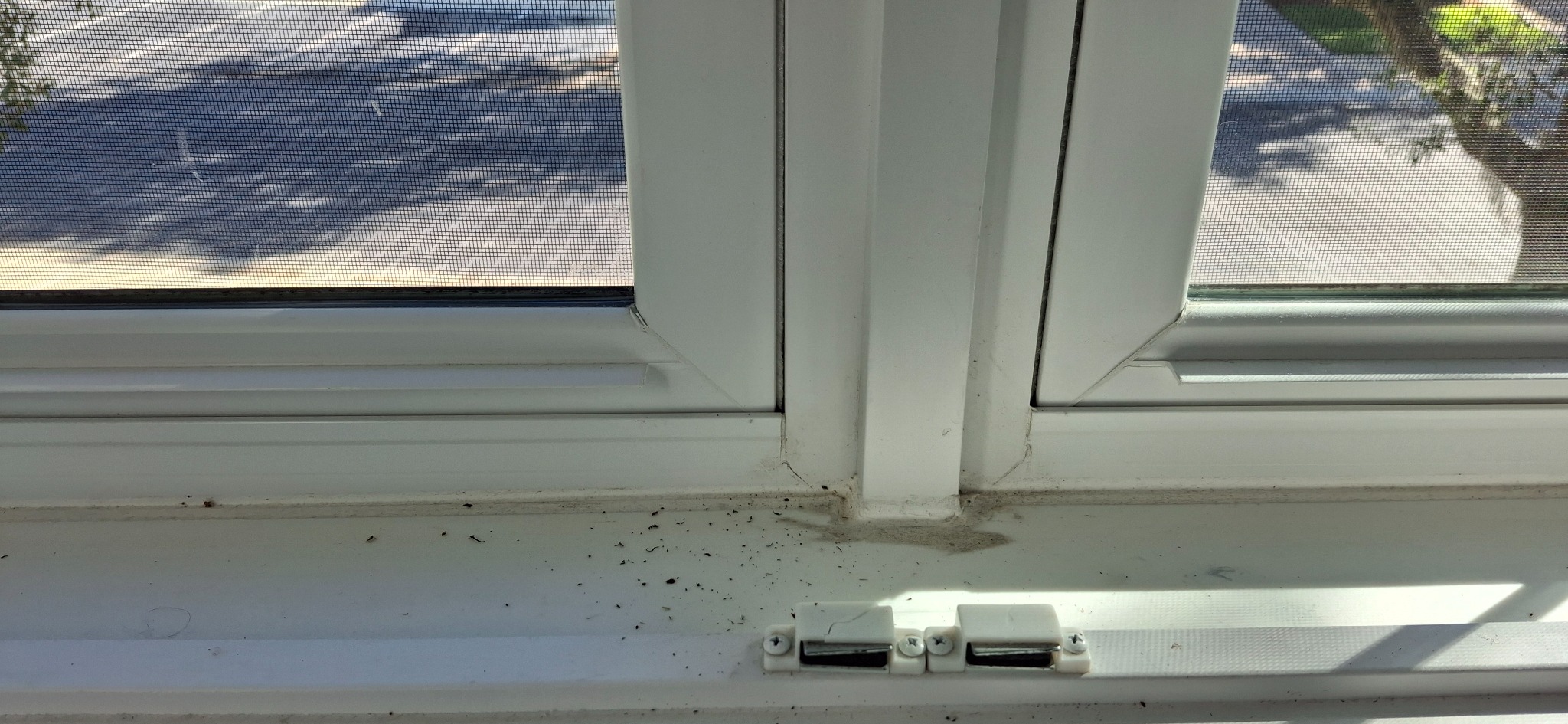
Check caulk around windows and exterior doors, weatherstripping, door sweeps, cracks and areas where old caulk is shrinking or pulling away. Good seals help keep out bugs, rain and humid outside air.
3. Do a Post-Summer Moisture Check
After our long rainy season, look for water stains around windows or ceilings, bubbling paint, swollen baseboards, musty closets or cabinets, discoloration around AC vents and moisture under sinks. Sometimes your nose will tell you there's a problem before your eyes do.
4. Look Up: Roofs, Gutters and Condo Buildings
Summer thunderstorms can be hard on Florida roofs. From the ground, look for obvious roof damage, clogged gutters, displaced shingles or tiles and tree debris. Make sure downspouts direct water away from the house. If something looks wrong, call a professional rather than climbing onto the roof yourself.
5. Check Your Irrigation System
As the rainy season winds down and temperatures cool, review your irrigation schedule. Run each zone and look for broken heads, leaks or sprinklers watering the driveway instead of the lawn. Watering restrictions change seasonally in Northeast Florida, so October is a good time to check the current schedule.
6. Don't Put Away the Hurricane Supplies Yet
October can bring beautiful weather, but Atlantic hurricane season continues through November 30. Keep flashlights, batteries and other storm supplies handy and replenish anything used earlier in the season.
7. Check the Lanai, Screens and Outdoor Areas
Once it's finally comfortable enough to spend more time outside, inspect screens and doors, caulking, mildew or algae buildup, patio and lanai drains, outdoor furniture and landscaping touching the house. Condo owners with balconies or screened lanais should pay particular attention to drains so water can escape during heavy rain.
8. Test Smoke and Carbon Monoxide Detectors
Test smoke and carbon monoxide detectors and replace batteries when needed. If you don't know how old a detector is, check the manufacture date and follow the manufacturer's replacement recommendation.
9. Clean the Dryer Vent
Clean the lint trap, inspect the dryer hose and consider having the vent cleaned if it hasn't been done recently. If your dryer suddenly takes longer to dry clothes, the vent may need attention.
10. Keep an Eye on Indoor Humidity, Especially When You're Away
Florida homeowners need to think about humidity differently. Even when temperatures become comfortable enough that the AC runs less often, outdoor air can still contain a tremendous amount of moisture.
October Is a Good Month to Notice the Little Things
One thing I've learned about owning property in Florida is that our homes have their own maintenance calendar. We aren't winterizing pipes or preparing for snow. We're looking for what months of heat, humidity, heavy rain and strong sunshine may have done to our homes.
You don't have to do everything at once. Walk around. Look at the windows. Check under the sinks. Look up at the ceilings. Check the AC drain. Pay attention to anything that smells, looks or feels different. Those little observations are often how you catch a Florida home-maintenance problem before it becomes a very expensive one.