


.png)
How to Control Humidity and Prevent Mold in Your Florida Home
A Ponte Vedra Beach Homeowner's Guide to Florida Humidity, Air Conditioning and Mold Prevention
Quick Answer: What humidity level should you keep your Florida home?
Your home's relative humidity, the moisture level in the indoor air, should ideally sit between 50% and 55%. It should never really go above 60%. That's the point where mold, mildew and musty odors start becoming a problem.
Living in Ponte Vedra Beach has many advantages, but Florida's heat and humidity create some home-maintenance challenges that homeowners from other parts of the country may not expect.
One of the questions I hear often from Florida homeowners, especially those who are new to the area or leave their home vacant for part of the year, is this:
“How do I keep my Florida home from getting musty—or worse, developing mold?”
The short answer is moisture control.
In Florida, your air conditioner does much more than keep your home comfortable. It also removes moisture from the air. Controlling indoor humidity, maintaining your HVAC system and addressing water or moisture problems quickly can help protect your home from mold, musty odors and moisture-related damage.
As a REALTOR® in the Ponte Vedra Beach and Jacksonville area, I also look at home maintenance from another perspective: protecting the condition, marketability and future resale value of your home. I've watched it happen more than once: a buyer steps through the front door, wrinkles their nose at a musty smell, and is back in the car within two minutes — no matter how great the kitchen renovation is.
Here is what Florida homeowners should know.

The Right Humidity Level for a Florida Home
A good target for a Florida home is approximately 50%–55% relative humidity, and you generally want to keep indoor humidity below 60%.
University of Florida Institute of Food and Agricultural Sciences (UF/IFAS) recommends that indoor relative humidity generally remain around 55% or lower. The U.S. Environmental Protection Agency recommends keeping humidity below 60%.
Once indoor humidity stays too high for too long, conditions become more favorable for mold growth and other moisture-related problems.
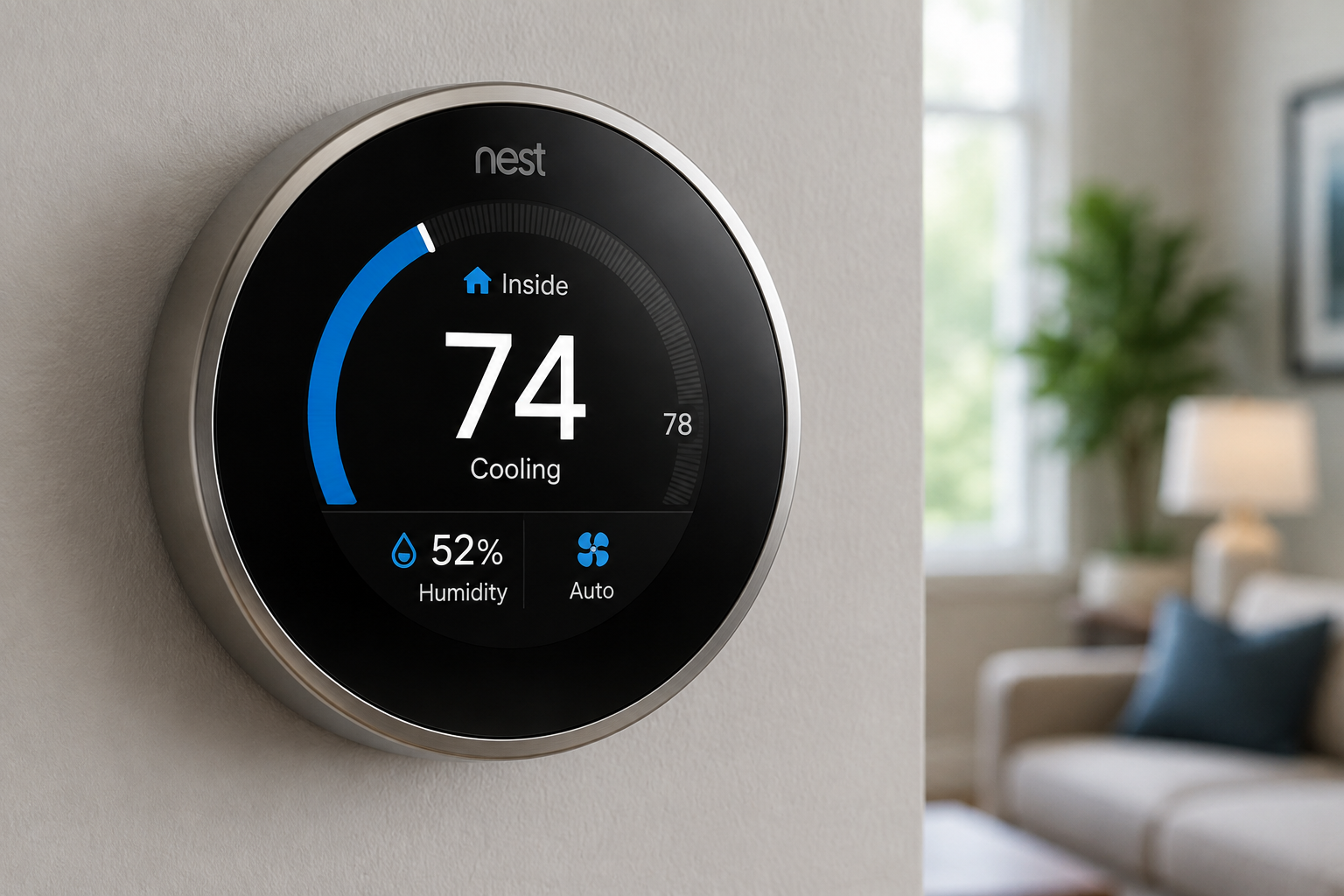
You don't have to guess at your home's humidity level. An inexpensive digital hygrometer will track both temperature and relative humidity. I'd recommend going a step further, though, with a smart thermostat that displays humidity and lets you monitor and control your HVAC system remotely. These are a game-changer for Floridians who travel often or head to cooler climates each summer, since you can check in and adjust your home's environment from anywhere in the world.
In Florida, I think knowing the humidity level inside your home can be almost as useful as knowing the temperature. If your house begins feeling or smelling different, checking the humidity is an easy first step.
Why Is Humidity Such a Problem in Ponte Vedra Beach?
Our warm, humid Northeast Florida climate means homeowners have to be more attentive to moisture than they might be in a drier part of the country.
Moisture can also be created or introduced inside a home through:
- Showers and baths
- Cooking
- Dishwashers
- Laundry
- Plumbing leaks
- Roof or window leaks
- Air-conditioning problems
- Clogged or poorly draining AC condensate lines
Even a home that looks perfectly dry can have excessive indoor humidity, which is exactly why moisture control matters more than simply cleaning mold after it appears.
Your Air Conditioner Is Also a Dehumidifier
This is one of the most important things for Florida homeowners to understand.
As warm, humid air passes through your air-conditioning system, moisture condenses on the evaporator coil and drains away through the condensate system. The cooled, drier air then returns to your home.
Cooling your home + removing moisture from your home.
A properly sized and well-maintained HVAC system is therefore essential to controlling humidity in Florida. Trust me, I learned this one the hard way. Back in my Minnesota home, I had the HVAC system serviced twice a year — once before summer to prep the AC, once before winter to prep the furnace. When I moved to Florida, I figured a once-a-year AC check would be enough. Nope. My AC shut off completely in the middle of the hottest, most humid stretch of summer, all because of a clogged condensation drainage line. Lesson learned: get that HVAC system checked every six months, and clean your condensation drainage line monthly.
Should You Turn Off the AC When You Leave Your Florida Home?
No. If you are leaving a Florida home vacant for an extended period, you generally should not turn the air conditioner completely off.
Turning off the AC lets indoor humidity rise quickly and substantially, and high humidity means mold. Fast-growing mold. Turning off your AC when you leave a Florida home is the equivalent of turning off your furnace in the middle of a Maine or Wyoming winter. You'll come home to disaster. Instead of burst, frozen pipes, you could find musty upholstery, curtains and bedding, and possibly mold creeping across your walls or closets. Fixing that kind of damage, even after just a short stretch without AC, gets expensive fast.
Please — leave your AC running when you leave town. And invest in a smart thermostat that will alert you if your AC fails while you're away.
What Temperature Should You Set Your AC to When You're Away?
UF/IFAS guidance suggests a properly functioning air-conditioning system should continue controlling indoor humidity, and cites approximately 82°F as a general energy-saving thermostat setting for when you're away. Personally, I recommend 78°F, especially in a home or condo that doesn't "breathe" well, such as a lower-level or interior unit with few windows.
That said, every home is different. The number that matters most isn't your thermostat setting. It's your indoor humidity. If raising the thermostat causes relative humidity in your home to climb toward 60%, humidity control should take priority over hitting a specific temperature.
This is especially critical for seasonal residents, second-home owners, and anyone leaving a Ponte Vedra Beach home vacant for an extended stretch.
7 Ways to Reduce Humidity and Help Prevent Mold in a Florida Home
1. Monitor Your Indoor Humidity
Start with a simple digital hygrometer or your thermostat's humidity monitor. Try to keep your home around 50%–55% relative humidity, and investigate if it's consistently approaching or exceeding 60%.
2. Maintain Your HVAC System
Have your air-conditioning system serviced regularly and change filters according to the equipment manufacturer's recommendations and the conditions in your home. A system that isn't operating properly may struggle to remove moisture effectively.
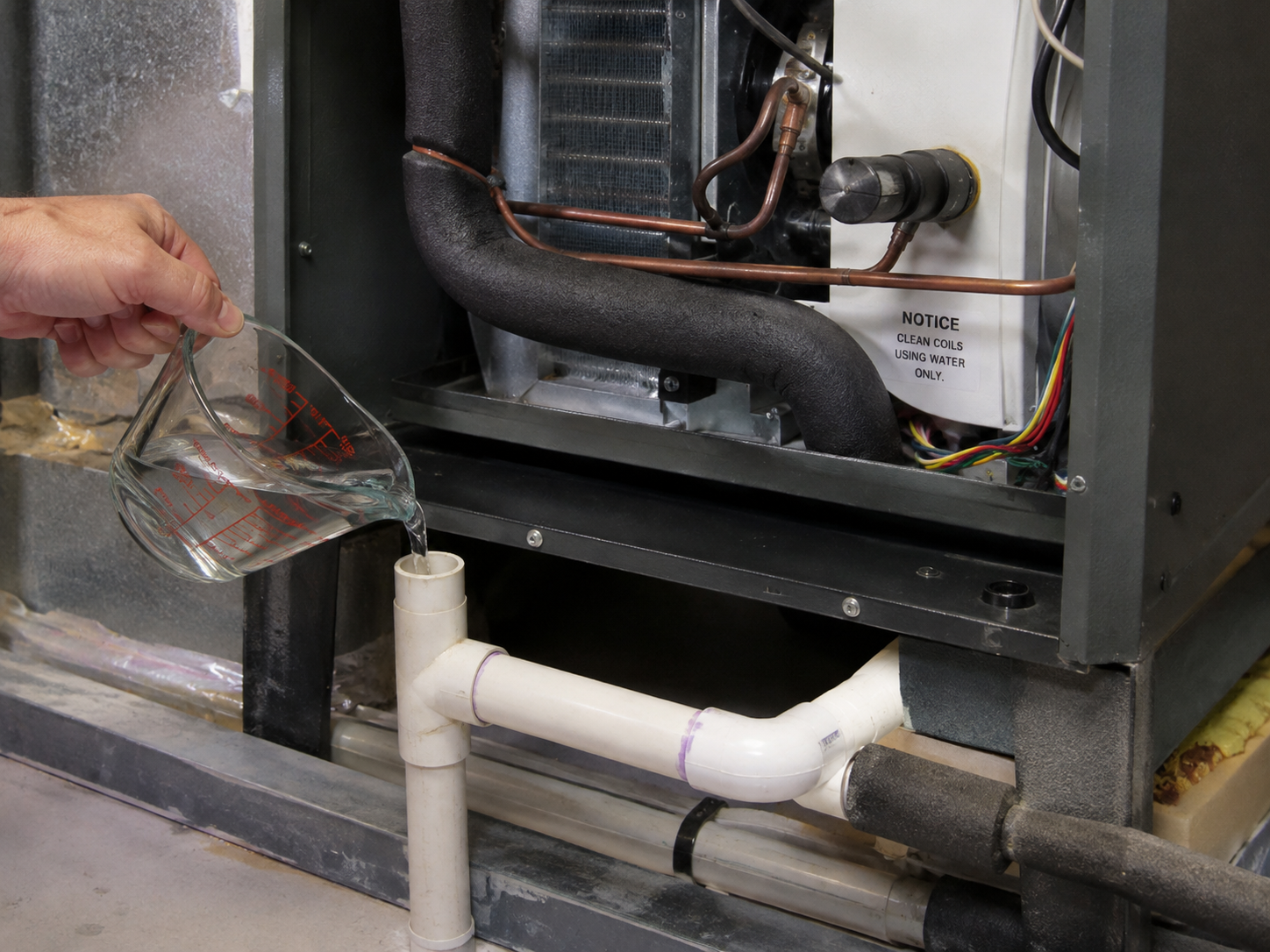
3. Don't Forget the AC Condensate Drain
This is an easy Florida maintenance item to overlook. Your air conditioner removes moisture from the air, and that water has to go somewhere. The condensate drain carries it away.
The EPA recommends keeping air-conditioning drip pans clean and condensate drain lines unobstructed and flowing properly.
4. Use Bathroom and Kitchen Exhaust Fans
Showers and cooking introduce significant moisture into your home. Use properly vented bathroom exhaust fans while showering and kitchen exhaust ventilation when cooking, and let them run long enough to actually clear the excess moisture. My tip is to get a switch with a 15 minute timer. These types of switches are good for colder climates as well because if you don't run your shower exhaust fan for a good 15 minutes, the moist air hits the cold metal vent tubing in the attic. This causes condensation build-up in the ventilation system which them drips back down the tube and onto your ceiling around the ceiling fan.
5. Pay Attention to Closets and Closed-Off Rooms
Air circulation matters. Closets, cabinets and rooms that stay closed for long periods can become problem areas, particularly in a seasonal or vacant Florida home. Before you leave for the season, open your closet doors.
If you notice a musty odor when opening a closet or entering a seldom-used room, don't simply cover the smell with an air freshener. Check the humidity and look for the source of excess moisture.
6. Deal With Water Quickly
A plumbing leak, roof leak, overflowing appliance or storm-related water intrusion shouldn't wait. The EPA recommends drying wet or damp materials within 24–48 hours when possible to help prevent mold growth.
Also pay attention to condensation on windows, walls, ducts or pipes. It can be a warning sign that there's too much moisture in the air, or that another problem needs investigating.
7. Consider a Dehumidifier When Necessary
Some Florida homes, or particular areas of a home, may need additional dehumidification. A portable or whole-home dehumidifier can help when the air conditioner alone isn't maintaining appropriate humidity levels.
But if you suddenly develop a humidity problem you didn't have before, don't simply assume you need a dehumidifier. Look for the reason the humidity changed first. An HVAC issue, a leak, a blocked condensate line, or another moisture source may be the real culprit.
Why Does My Florida House Smell Musty?
A persistent musty smell can be a warning sign of excess moisture or hidden mold and is worth investigating.
A musty odor doesn't necessarily mean you have a serious mold problem, but you should look for a moisture source rather than simply covering the smell.
Check for:
- Indoor humidity approaching or exceeding 60%
- Plumbing leaks
- Roof or window leaks
- Damp cabinets or closets
- Condensation
- HVAC or condensate-drain problems
- Water stains on walls or ceilings
- Moisture around bathrooms and kitchens
Finding and correcting the source of the moisture matters far more than simply treating the odor.
How Do I Prevent Mold When Leaving My Florida Home Vacant?
This is especially important in Ponte Vedra Beach, where we have second homes, seasonal residents and homeowners who travel for extended periods.
Before leaving your Florida home:
- Do not turn off the air conditioning.
- Monitor indoor humidity, preferably remotely if your thermostat allows it.
- Make sure your HVAC system is operating properly.
- Check the AC condensate drain.
- Look under sinks and around appliances for leaks.
- Make sure doors and windows are securely closed.
- Address known roof, plumbing or moisture issues before leaving.
- Consider having someone periodically check the home while you're away.
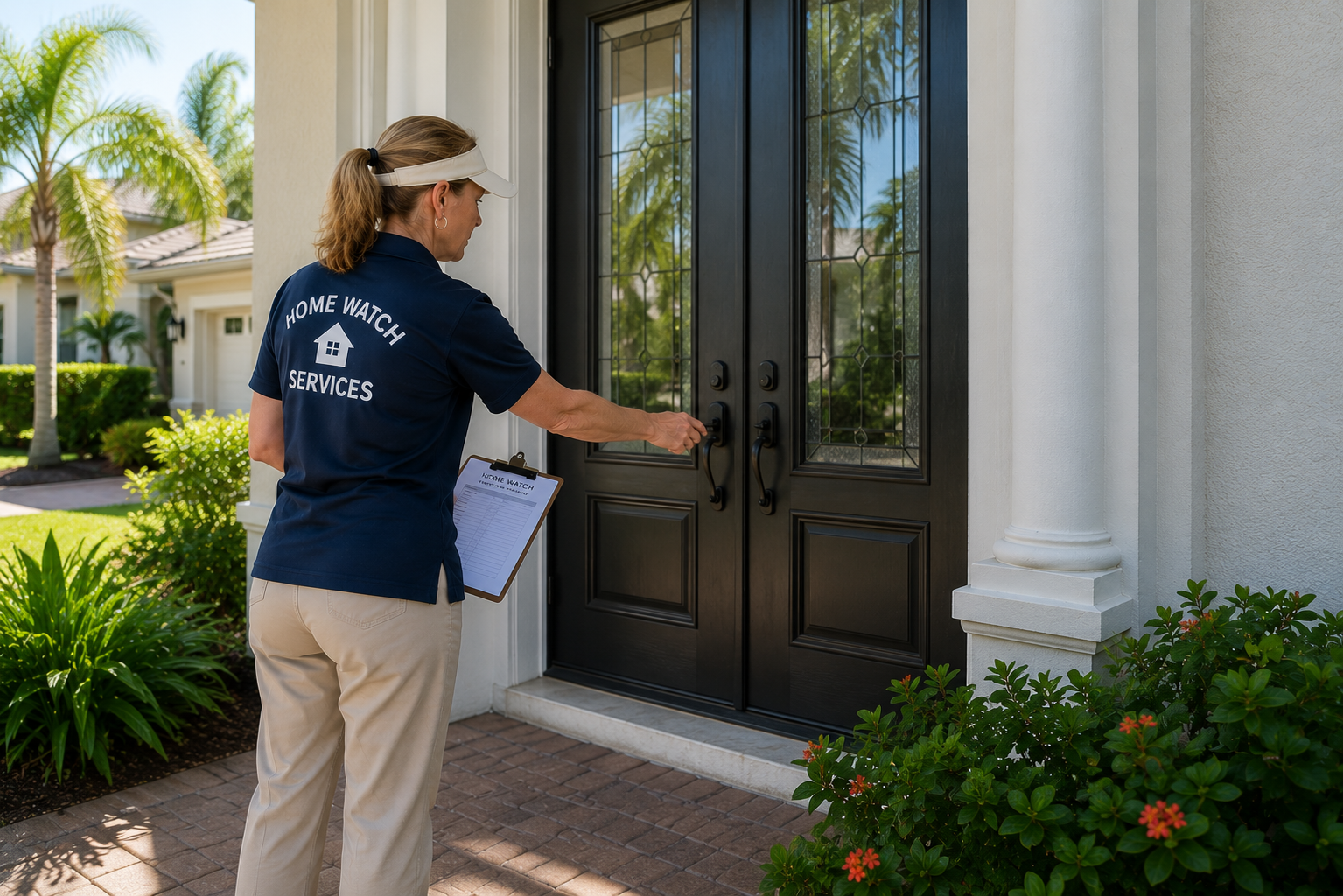
If your home will be vacant for several months, a reliable home-watch service can provide additional peace of mind. A small leak or failed air conditioner that goes unnoticed for weeks can become a much bigger problem in Florida's climate.
Can High Humidity Affect the Value of Your Home?
Potentially, yes. Not because a particular humidity reading determines property value, but because long-term moisture problems can affect the condition of a home.
When I'm helping someone buy or sell a home in Ponte Vedra Beach, Jacksonville or our surrounding communities, I'm interested in the story the home tells.
- Has the HVAC system been maintained?
- Are there signs of previous leaks?
- Are there unexplained stains or musty odors?
- How old are the roof and HVAC systems?
- Has the homeowner kept maintenance and repair records?
Those things can become important once a buyer has a home inspected.
Taking care of your home while you own it is usually much easier, and much less stressful, than discovering years of deferred maintenance when you're ready to put it on the market.
Buying a Home in Ponte Vedra Beach? Look Beyond the Pretty Finishes
Beautiful kitchens, pools and outdoor living spaces understandably get a buyer's attention.
But when I help buyers evaluate a Florida home, I also encourage them to pay attention to the less glamorous things that can have a much greater financial impact.
The age and condition of the roof, HVAC system, water heater, windows, plumbing and electrical systems, along with signs of moisture intrusion or deferred maintenance, all help tell us how well a home has been cared for.
A good home inspection is an important part of that process.
Considering a home in Ponte Vedra Beach? I can help you look beyond the listing photos and understand the questions worth asking about the home, neighborhood, HOA and true cost of ownership before you buy.
Thinking About Selling Your Ponte Vedra Beach Home?
Don't wait until the week before listing to start thinking about maintenance.
One of the most valuable things a homeowner can do is address small maintenance issues while they're still small and keep records of meaningful repairs, replacements and improvements.
And before spending thousands of dollars replacing or remodeling something because you think a buyer will expect it, talk with an experienced local REALTOR® first.
Some improvements can help a sale. Others may cost considerably more than they return.
If you're considering selling a home in Ponte Vedra Beach, I'd be happy to walk through it with you and help identify what I believe is worth addressing before you list, and what may be better left alone.
BONUS: Remember how quickly buyers can walk away from a home that feels off? Being local means I can prevent that. I'll often stop by your listing before a showing to adjust the AC, turn on the lights, and make sure everything feels just right — so instead of a red flag, buyers get a great first impression.
Frequently Asked Questions About Florida Home Humidity
Here are quick answers to some of the most common questions Florida homeowners ask about indoor humidity and mold prevention.
What is the best humidity level for a Florida home?
Aim for approximately 50%–55% relative humidity. UF/IFAS recommends generally keeping indoor relative humidity around 55% or lower, while EPA recommends staying below 60% and ideally between 30% and 50%.
Is 60% humidity too high inside a Florida home?
It is a level worth addressing if it persists. EPA recommends keeping indoor relative humidity below 60% because excess moisture can create conditions favorable to mold growth.
What temperature should I leave my Florida home when I'm away?
UF/IFAS cites approximately 82°F when away as a general energy-saving guideline, but humidity should also be monitored. If indoor relative humidity climbs too high, your particular home may require a lower thermostat setting or additional dehumidification. I like 78°F for my home.
Should I turn my Florida home's AC off while I'm away?
No. Your air conditioner helps remove moisture as well as cool your home. Turning it completely off for an extended period can allow indoor humidity to rise.
How can I tell if my house is too humid?
Use an inexpensive digital hygrometer or thermostat that measures relative humidity. Other warning signs can include persistent musty odors, condensation or moisture appearing on surfaces.
Why does my Florida house smell musty?
A persistent musty odor often indicates excess moisture and should be investigated. Check indoor humidity, HVAC operation, plumbing, roof and window leaks, condensation, closets and other areas where moisture may be accumulating.
What should I do if I find water inside my home?
Find and stop the source of the water and begin drying the affected area promptly. The EPA recommends drying wet materials within 24–48 hours when possible.
Protecting Your Ponte Vedra Beach Home
Florida humidity isn't something we can eliminate. It's simply part of living in this beautiful part of the country.
The goal is to manage it.
Keep an eye on indoor humidity. Maintain your HVAC system. Don't forget the condensate drain. Take leaks seriously. And pay attention when your home tells you something has changed.
Good home maintenance protects more than the house you're enjoying today. It can also help protect the condition, marketability and value of the home you'll eventually sell.
About Lois Marris
I'm Lois Marris, a Ponte Vedra Beach REALTOR® with Ponte Vedra Club Realty, serving buyers and sellers throughout Ponte Vedra Beach, Ponte Vedra and the Jacksonville area. My goal is to help you make informed real estate decisions, whether you're maintaining the home you love, preparing to sell it, or looking for your next Florida home.
.jpg)
Trusted Homeowner Resources
For additional information about humidity, moisture and mold prevention:
- UF/IFAS Extension – Understanding Florida Homes: Humidity, Mold and Energy Use
- U.S. Environmental Protection Agency – A Brief Guide to Mold, Moisture and Your Home
Important: This article provides general homeowner information and is not a substitute for advice from a qualified HVAC professional, mold-remediation professional, building professional or other appropriate specialist.
More from Lois: Ponte Vedra Beach & Florida Home Maintenance Tips | Ponte Vedra Beach Homes for Sale